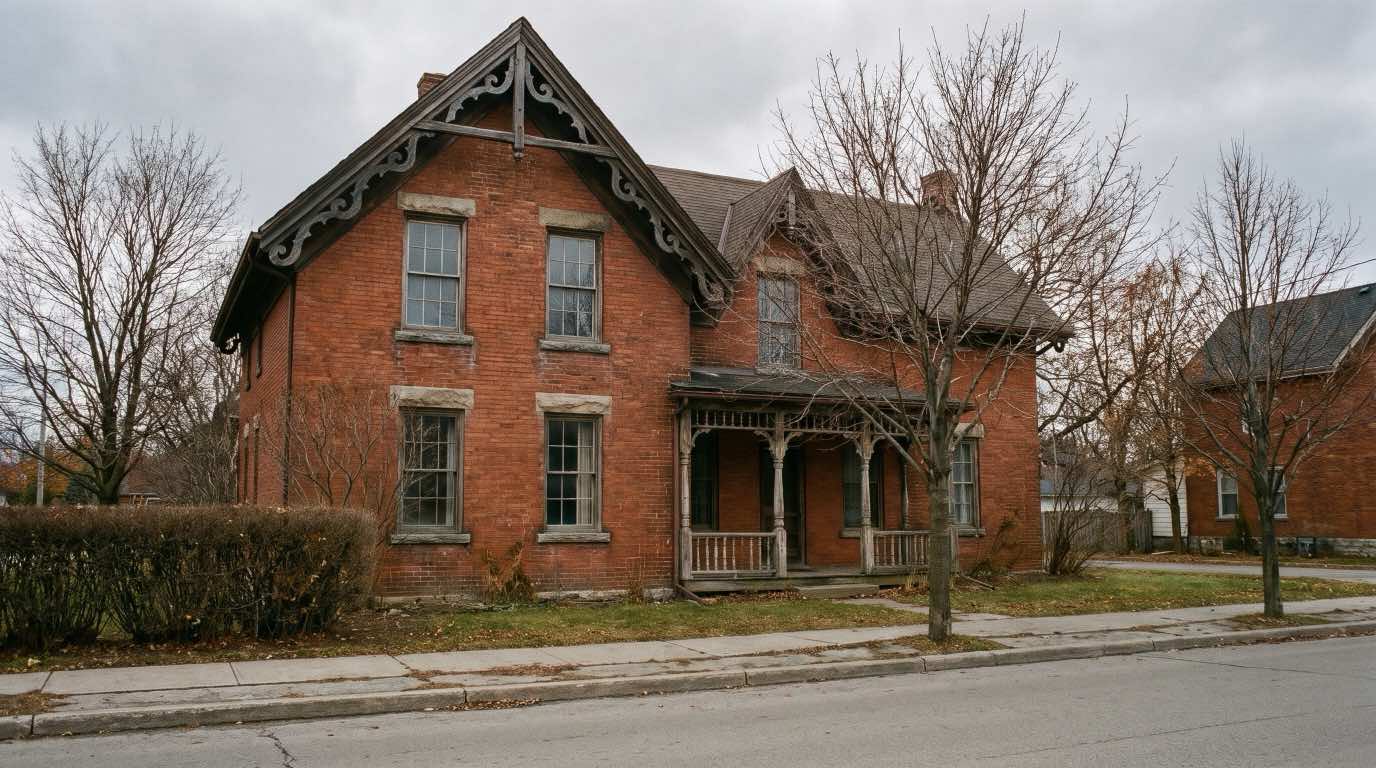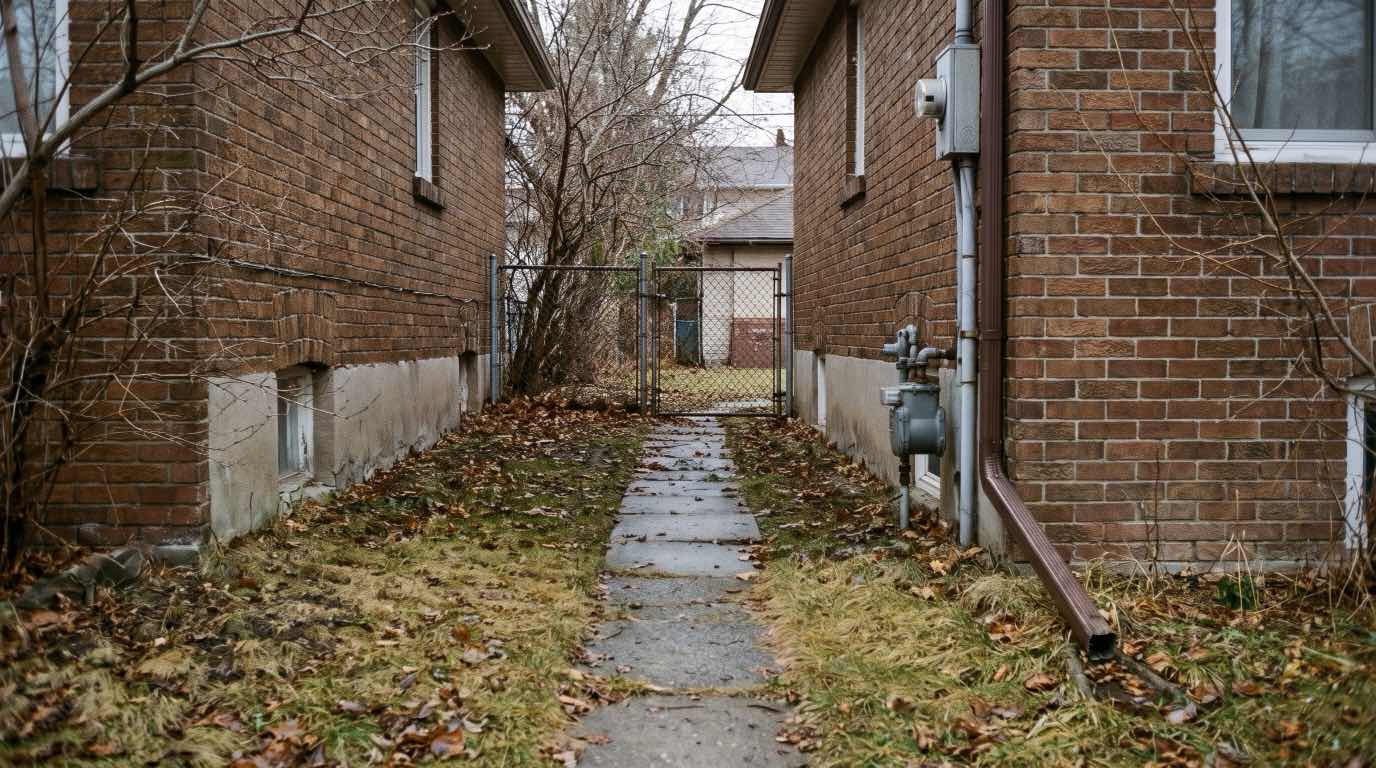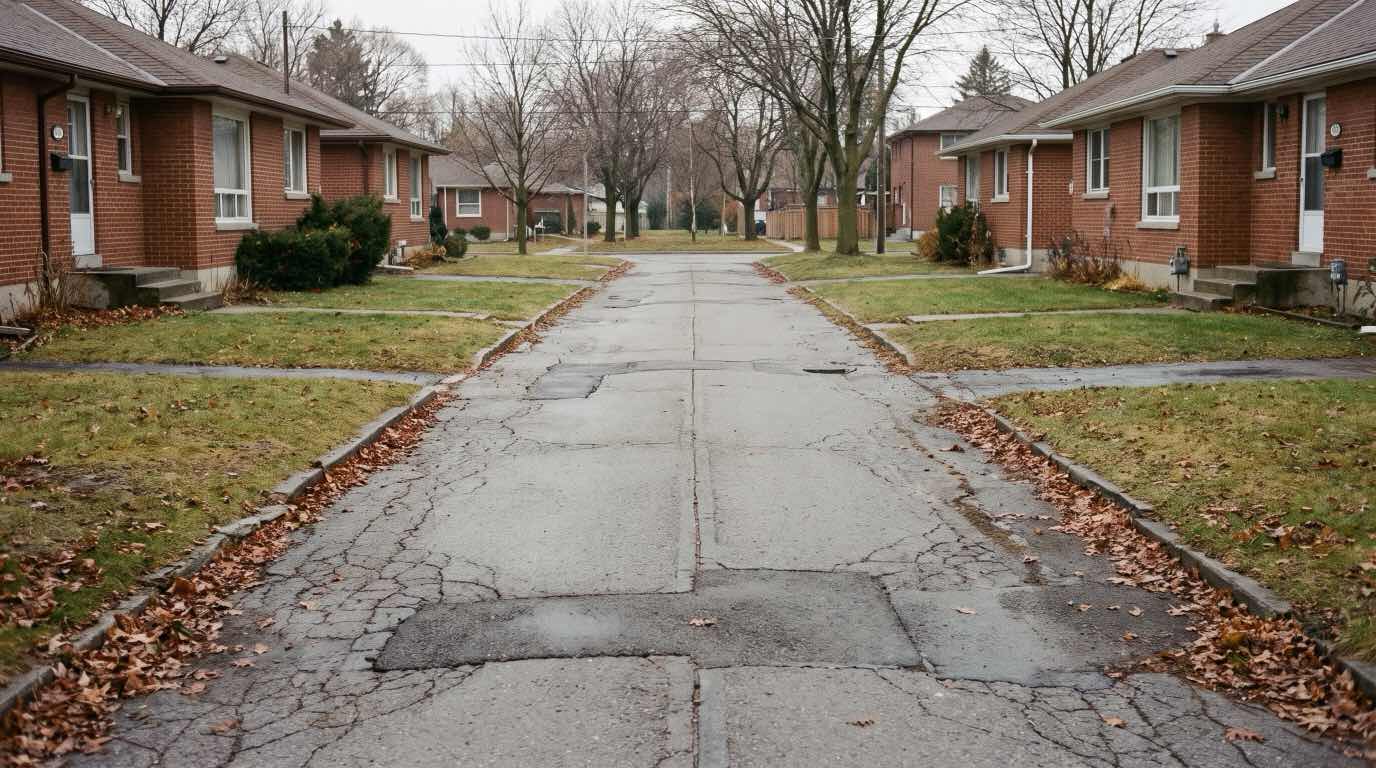
The driveway is shared. Is that written on the title?
Buyers are told to check whether something is on title. For rights of way that is the right instinct and the wrong test, because the statute does not make registration the thing that decides it.
The short answer
Often it is registered, but the Land Titles Act provides that registered land is subject to existing rights of way and other easements unless the contrary is expressed on the register. So a right can bind the property without appearing on it. Robin Patel, a REALTOR® in Brampton, treats a shared drive as a question for the lawyer.
Written forBuyers in the GTA looking at a house with a shared or mutual driveway, a lane at the side, or a neighbour who crosses part of the property, and owners who have been told something is not on their title.
The short version
- The Land Titles Act provides that all registered land, unless the contrary is expressed on the register, is subject to a listed set of rights and interests.
- That list expressly includes any right of way, watercourse, and right of water, and other easements, so an existing easement can bind land without being expressed on the register.
- The same provision says these interests are not to be deemed encumbrances within the meaning of the Act, which is why they do not read like a charge on title.
- Separately, no right or interest adverse to the registered owner can be acquired over registered land by any length of possession or by prescription, so long use alone cannot create a new right of way.
- The list also covers a lease for a period yet to run not exceeding three years where there is actual occupation under it, and any public highway.
Why is it on title is the wrong question
The standard advice is to check whether a right of way appears on title, and for most purposes that is sensible, because most of them do appear and the instrument is where the terms live. But as a test of whether a right exists at all, registration is not what the statute makes decisive.
The Land Titles Act provides that all registered land, unless the contrary is expressed on the register, is subject to a listed set of liabilities, rights and interests that may be subsisting in reference to it. The list is short and the second item on it is any right of way, watercourse, and right of water, and other easements.
The list is short and the second item on it is any right of way, watercourse, and right of water, and other easements.
Why it does not show up like a mortgage would
The same provision adds that these liabilities, rights and interests are not to be deemed to be encumbrances within the meaning of the Act. That is why a right of way does not sit in the register the way a charge does, and why someone reading a parcel register casually can conclude that the property is clean.
The list is not only about driveways. It also covers a lease or agreement for a lease for a period yet to run that does not exceed three years where there is actual occupation under it, and any public highway, along with tax and Crown items that rarely concern a residential buyer.
| Item | What the Act says |
|---|---|
| Rights of way and easements | Any right of way, watercourse, and right of water, and other easements |
| Short leases | Any lease or agreement for a lease, for a period yet to run that does not exceed three years, where there is actual occupation under it |
| Highways | Any public highway |
| Taxes and rates | Provincial and municipal taxes, charges, rates or assessments, and school or water rates |
| Status of all of these | They are not to be deemed encumbrances within the meaning of the Act |
What long use cannot do
Here is the half that gets stated backwards most often, usually as a warning that if you let a neighbour use your driveway for long enough they will acquire the right to keep doing it. For land registered under the Land Titles Act, the statute says the opposite.
It provides that, despite any provision of that Act, the Real Property Limitations Act or any other Act, no title to and no right or interest in registered land that is adverse to or in derogation of the title of the registered owner shall be acquired by any length of possession or by prescription. A new right of way is therefore not something a neighbour builds up by using the drive. There is a related limit on possessory claims by an adjoining owner where notice was served at first registration and no objection was filed in time.
What to actually do about a shared drive
Two different people answer two different halves. Your lawyer finds and reads the instrument, which is where the terms sit: who may use it, for what, and on what footing. Nothing in the statute tells you any of that, because the statute decides only whether the land is subject to such a right in the first place.
The other half is physical, and it is a surveyor's. A survey shows where a right of way actually runs across the land, which matters because the asphalt on the ground and the line on the plan are not always the same thing. Many older properties have no recent survey at all, and finding that out during the condition period is far better than afterwards.
Written by
Robin PatelSalesperson · The Agency Toronto
Updated
Published
Read in your language
A machine translation, not Robin’s words. For anything that decides money, ask him in Gujarati or Hindi directly.