Can I cancel a new freehold home purchase in Ontario after I sign?
A right that was legislated in 2024 and then delayed now has a commencement date. It lands in the middle of a GTA pre-construction market where buyers have spent years being told, correctly, that no such right existed.
The short answer
Robin Patel, a REALTOR® in the Greater Toronto Area, explains that a new freehold home in Ontario carries no general cooling-off right today. For agreements entered into on or after 1 January 2027, the buyer may cancel in writing within ten days — counted from receiving the signed agreement and the prescribed documents, not from signing.
Written forBuyers negotiating a new freehold home with a builder in the GTA — a detached, semi or townhouse on its own lot — and particularly anyone whose agreement will be signed around the turn of 2026 into 2027.
The short version
- Ontario has no general cooling-off period on a resale home, and this change does not create one.
- For new freehold agreements entered into on or after 1 January 2027 there is a ten-day period in which the buyer may cancel in writing without penalty.
- The ten days run from the latest delivery date, not from the day the agreement is signed, so the date the documents arrived is the date that matters.
- A mandatory buyer information sheet and the applicable new freehold home addendum must be delivered with the agreement, and there are separate addenda for firm and tentative closing dates.
- A new condominium unit has its own statutory rescission period under the Condominium Act. It is a different mechanism with different trigger documents.
What the rule is today, and what changes on 1 January 2027
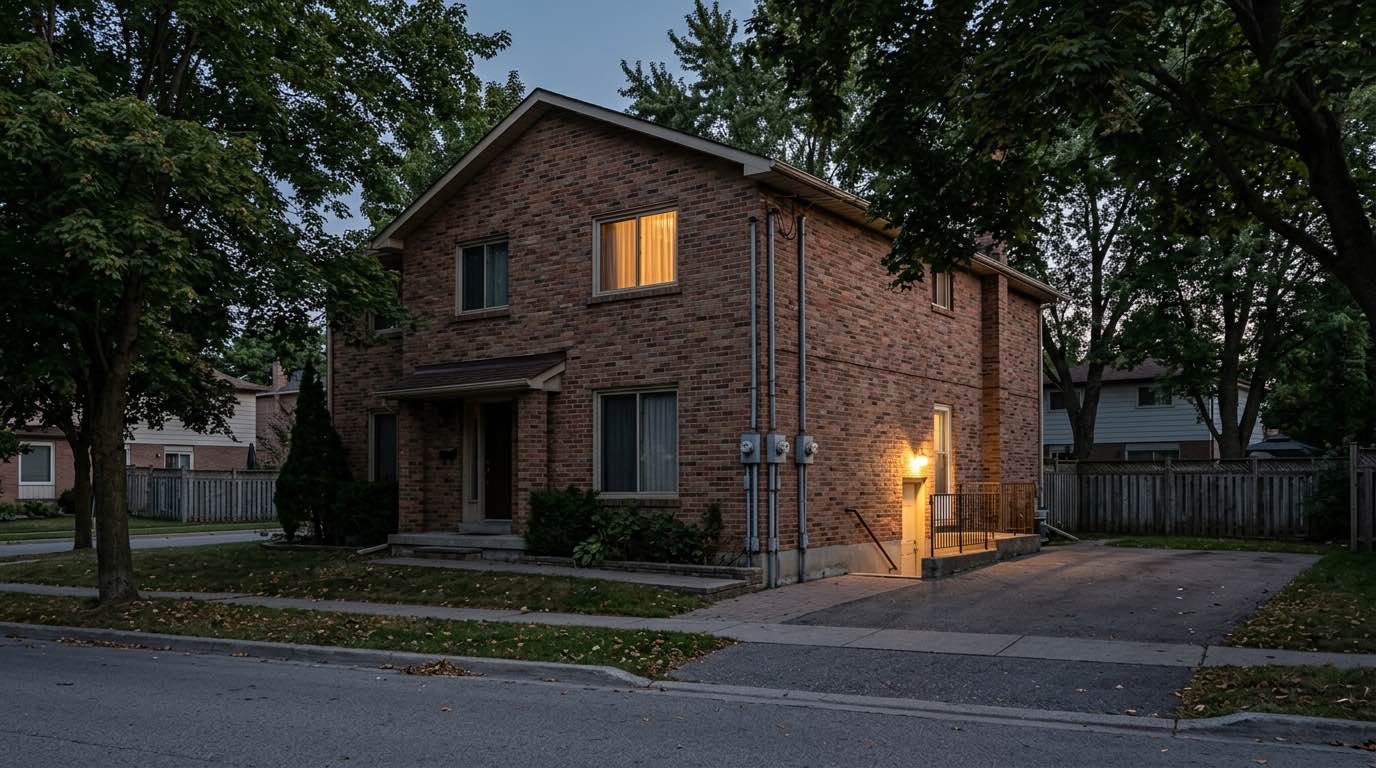
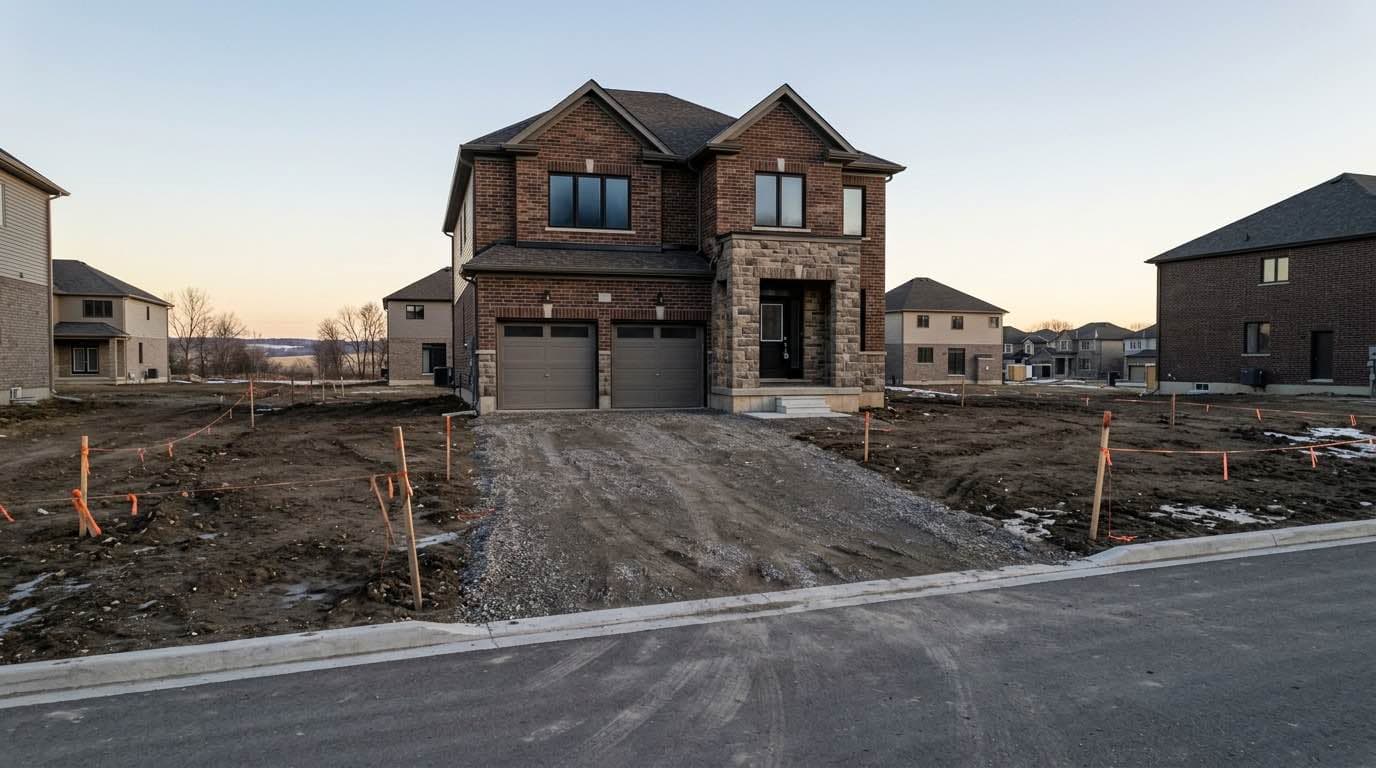
Ontario has never given the buyer of a resale home a general right to change their mind. Once an offer is accepted and the conditions are satisfied or waived, the agreement binds both sides. A new freehold home — a detached, semi or townhouse bought from a builder on its own lot — has been in the same position, and that is still the position today.
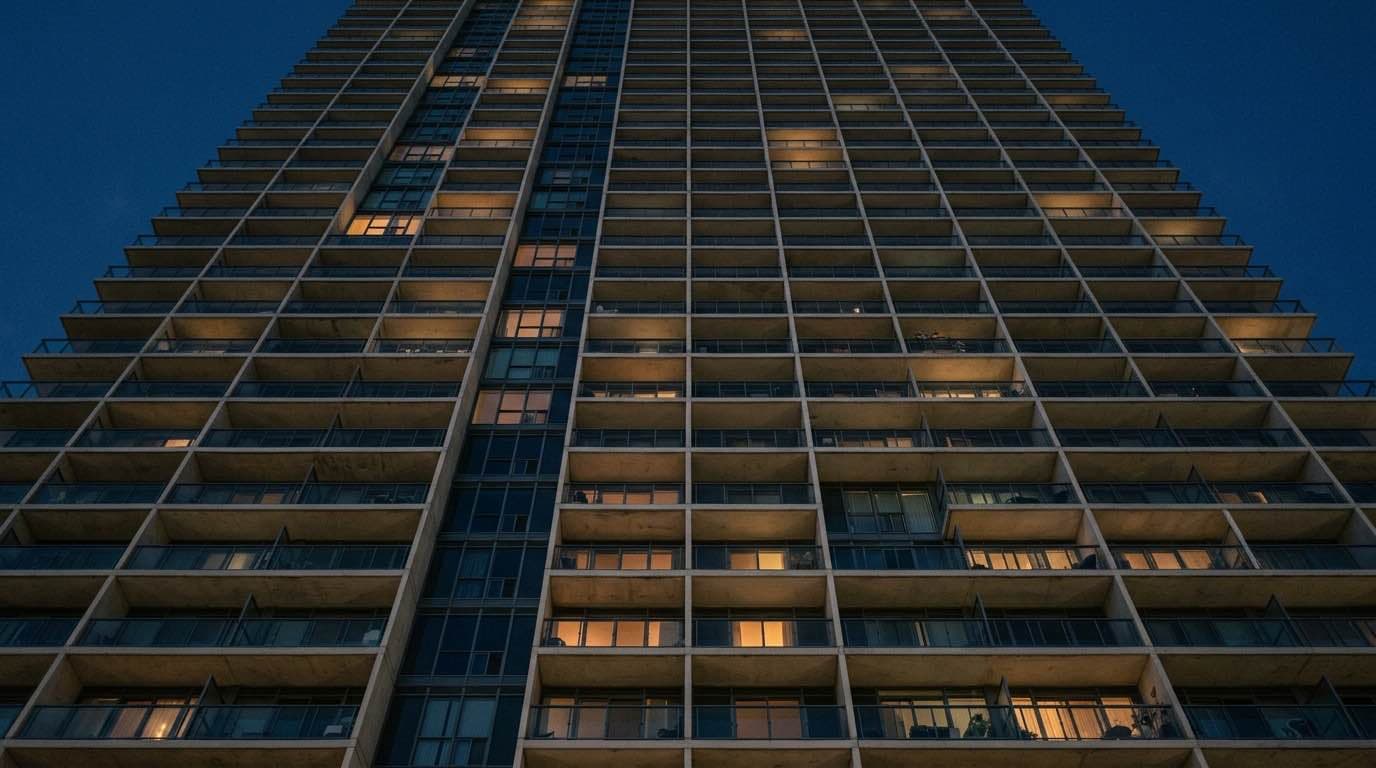
A new condominium unit bought from the declarant has been the exception for years, because the Condominium Act provides a statutory rescission period of its own. Freehold had no equivalent, and buyers are routinely surprised by that.
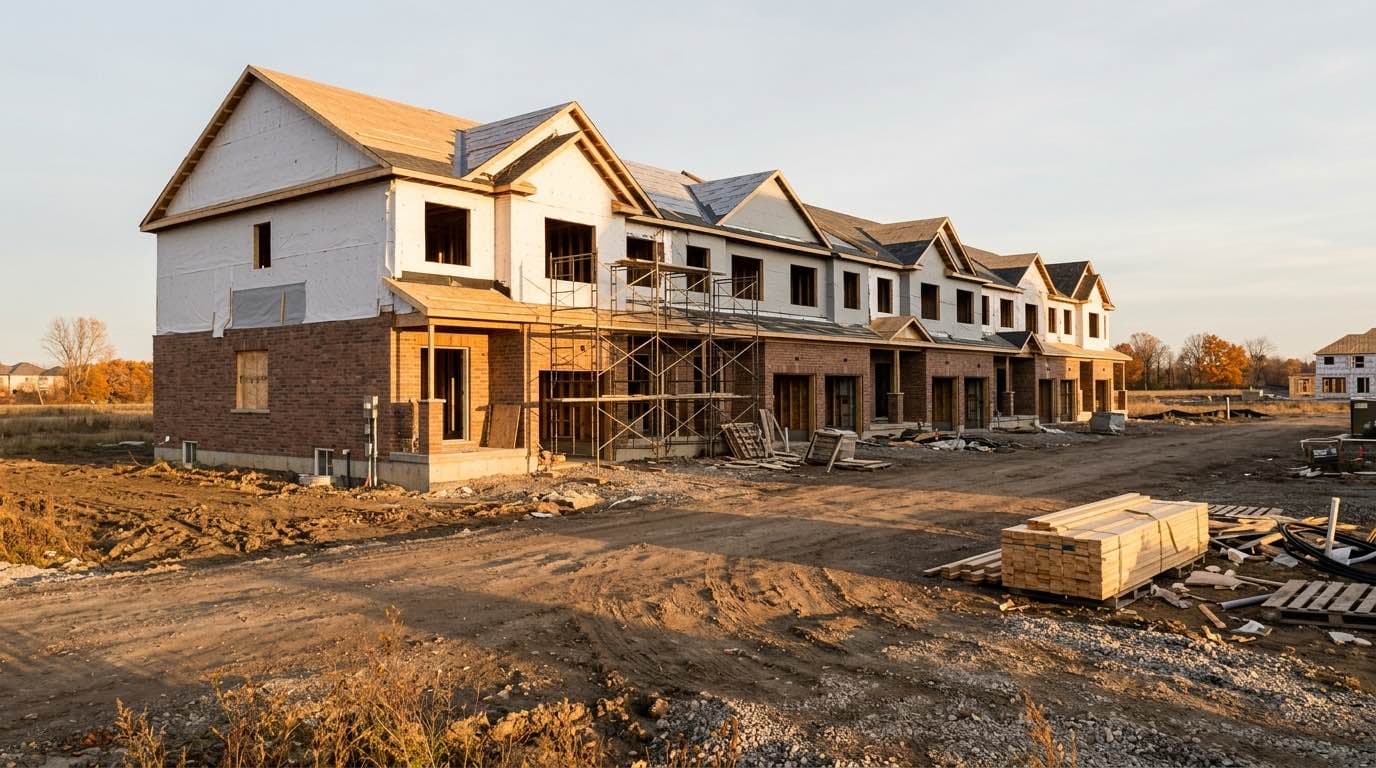
This changes for agreements entered into on or after 1 January 2027. The Homeowner Protection Act, 2024 amended the New Home Construction Licensing Act, 2017 to create a ten-day cooling-off period for new freehold homes, and the Home Construction Regulatory Authority has settled the documents that go with it. The right was legislated in 2024, delayed, and now has a date.
The right was legislated in 2024, delayed, and now has a date.
The ten days do not start when you sign
This is the part most likely to catch people, because nearly every other deadline in a purchase runs from signing. This one does not. The period runs from the latest of three things: the day the buyer receives the agreement executed by both parties, the day the buyer receives the prescribed information, and the day the builder has satisfied the other prescribed requirements.
So the clock is started by delivery, not by signature. A buyer who signs at a sales office on a Saturday and then hears nothing for a week has not yet spent a day of the period. A buyer who signs and is handed the complete package across the desk has started it there and then.
The practical consequence is that the delivery date has to be recorded rather than remembered. Keep the email, the covering letter, the timestamp — whatever establishes when the last of those documents actually arrived, because that is the date a lawyer will count from.
the clock is started by delivery, not by signature
What the builder has to hand you, and why that is the real change
Alongside the right to cancel, the regulator is making two documents mandatory on a new freehold purchase: a standard information sheet written for buyers, and the applicable new freehold home addendum. Both are signed by the vendor and the purchaser, and both are delivered to the buyer as part of the agreement.
There is more than one version of the addendum, because a purchase with a firm closing date and a purchase with a tentative one are not the same transaction. Which version is attached to your agreement tells you which kind of closing you have actually agreed to, and that is worth reading before the deposit cheque.
This may be the larger change of the two. A cooling-off period only helps a buyer who understands what they are cooling off from, and until now a builder's agreement arrived without any standardised plain-language companion to it. The information sheet is the part a buyer can read without a lawyer sitting beside them.
A cooling-off period only helps a buyer who understands what they are cooling off from
A new condominium is a different mechanism, not the same one
A buyer who hears about a ten-day period should establish which ten days are being described. The condominium rescission period comes from the Condominium Act and runs on receipt of the disclosure statement and the buyers' guide. The new freehold period comes from a different statute, administered by a different body, and runs on different documents.
They are not interchangeable, and a sales representative describing one while a buyer is purchasing the other is an ordinary way for a misunderstanding to begin. The two regimes have been converging in their look without becoming the same thing.
Robin Patel checks which structure the agreement is before a buyer relies on either. The question is answered by the document, not by what kind of building it looks like from the street.
The question is answered by the document, not by what kind of building it looks like from the street.
What it does not reach
A resale home is untouched. There is no general cooling-off period on a resale purchase in Ontario and this change does not create one — conditions remain the only protection, and they have to be negotiated into the offer before it is accepted.
An assignment is a different transaction again. A buyer taking over somebody else's agreement is not entering into an agreement with the builder on their own account, and should not assume the right travels with the paper. That one is for a lawyer to answer on the specific assignment.
And a buyer who signs before the commencement date is on the old rules, whatever the closing date says. For a purchase being negotiated across the turn of the year, the day the agreement is entered into is worth knowing precisely rather than approximately.
conditions remain the only protection, and they have to be negotiated into the offer
What to establish before you sign a builder's agreement
On a new build the useful questions are the ones asked at the sales office, because afterwards the document governs and not the conversation.
- Is this a freehold home, a freehold home on a parcel of tied land, or a condominium unit? The answer decides which rescission mechanism applies, if any.
- Is the agreement being entered into before or after 1 January 2027?
- Which addendum is attached — the firm closing date version or the tentative one?
- On what date were the agreement and the prescribed documents actually delivered to you, and can you evidence it?
- Who is reading the agreement for you inside the period, and have they been retained before you sign rather than after?
Written by
Robin PatelSalesperson · The Agency Toronto
Updated
Published
Read in your language
A machine translation, not Robin’s words. For anything that decides money, ask him in Gujarati or Hindi directly.