Can I raise the rent after I buy a tenanted property in Ontario?
A tenancy runs with the property, not with the seller. Whether you can move the rent at all turns on one date in 2018, and a buyer who checks it after closing has already bought the answer.
The short answer
You inherit the tenancy exactly as it stands, and buying resets nothing. Most units are capped by the rent increase guideline Ontario sets each year, but units first occupied after 15 November 2018 are exempt. Robin Patel, a REALTOR® in the Greater Toronto Area, checks which side of that date a unit falls on before you write the offer.
Written forBuyers and small investors purchasing a tenanted condominium, house or duplex in the Greater Toronto Area, including first-time investors whose return depends on moving the rent closer to market.
The short version
- A tenancy survives the sale. You step into the seller's position on the existing terms, at the existing rent, with the existing lease.
- Most residential units are limited to the rent increase guideline that Ontario sets each year and publishes in advance.
- A unit first occupied as a residential rental after 15 November 2018 is exempt from that guideline, which is the single fact that decides how much room a buyer has.
- Exempt does not mean unrestricted. The timing and notice rules still apply, and so does the tenant's right to dispute.
- An increase above the guideline is possible for a capped unit, but it is an application to the Landlord and Tenant Board, not a decision the landlord makes alone.
Does buying the property reset the tenancy?
No. A tenancy attaches to the unit rather than to the person who owns it, so when the property changes hands the tenancy continues untouched. You take the seller's place as landlord on the day of closing, and you take it on the terms that already exist.
That means the rent you inherit is the rent the previous owner was charging, not the rent the listing suggested the unit could achieve. It also means the last increase date, the lease and the deposit all carry over, and none of them restart because the title moved.
Buyers are caught by this more often than any other part of a tenanted purchase. A purchase modelled on market rent rather than the rent actually being paid is a purchase modelled on a number the buyer is not entitled to charge yet.
A purchase modelled on market rent rather than the rent actually being paid is a purchase modelled on a number the buyer is not entitled to charge yet.
What the rent increase guideline actually does
Ontario sets a rent increase guideline each year and publishes it ahead of the year it applies to. For most residential units it is the maximum a landlord may raise the rent by in a twelve-month period without going to the Landlord and Tenant Board for permission.
The figure changes annually, which is exactly why it is not printed here. Read the current year's guideline on ontario.ca rather than relying on a number quoted in a listing, a spreadsheet, or a page like this one that was written before the year began.
What matters more than the figure is who it binds. The guideline is not a rule about every rental unit in the province, and assuming it is produces the opposite of the mistake most buyers expect to make.
What matters more than the figure is who it binds.
The date in 2018 that decides more than the guideline does
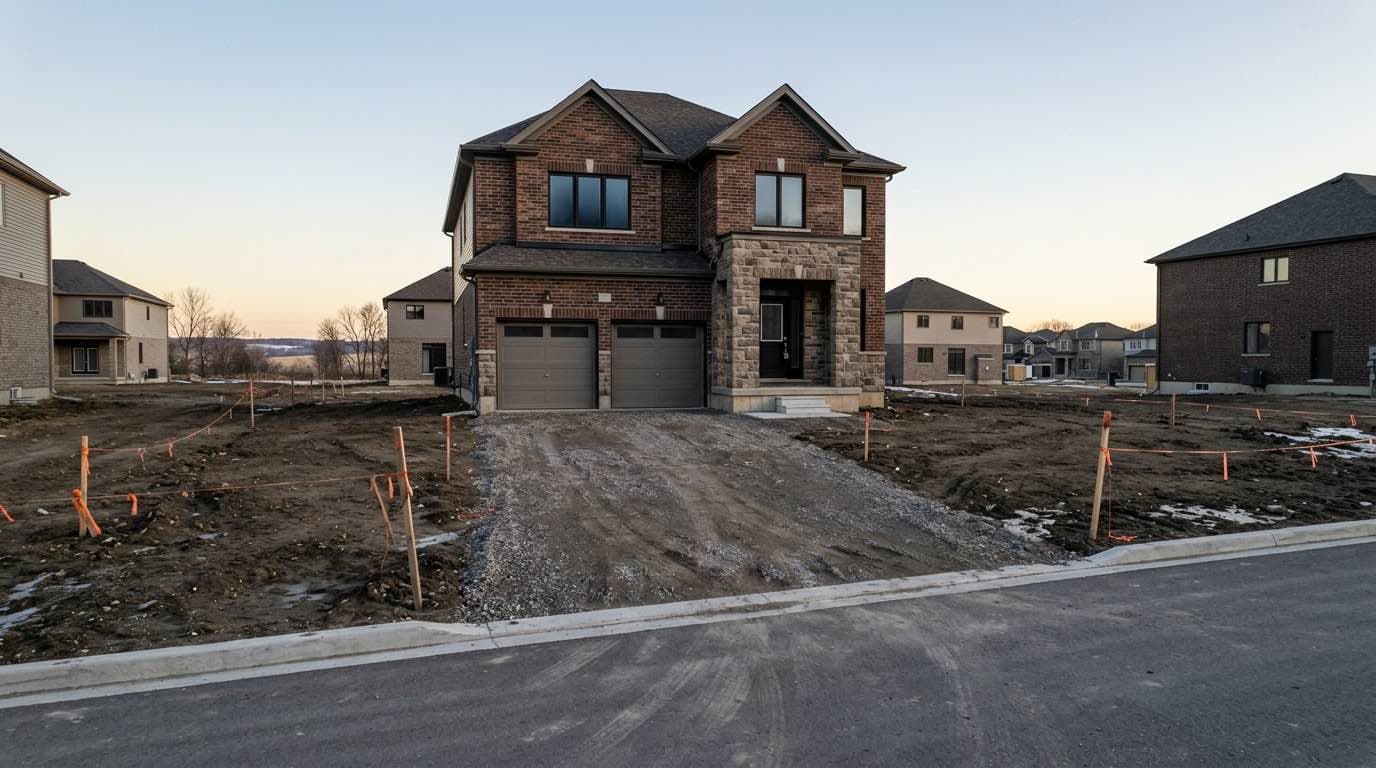
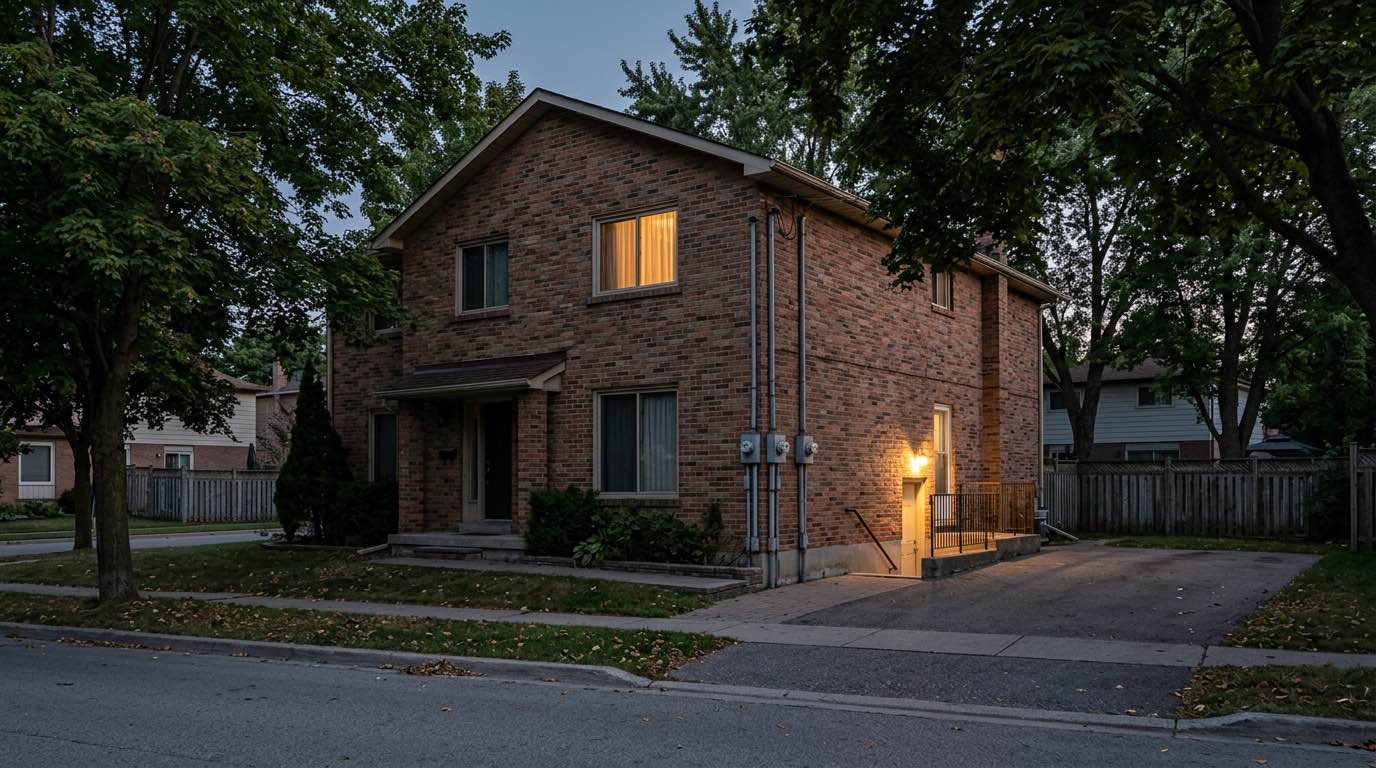
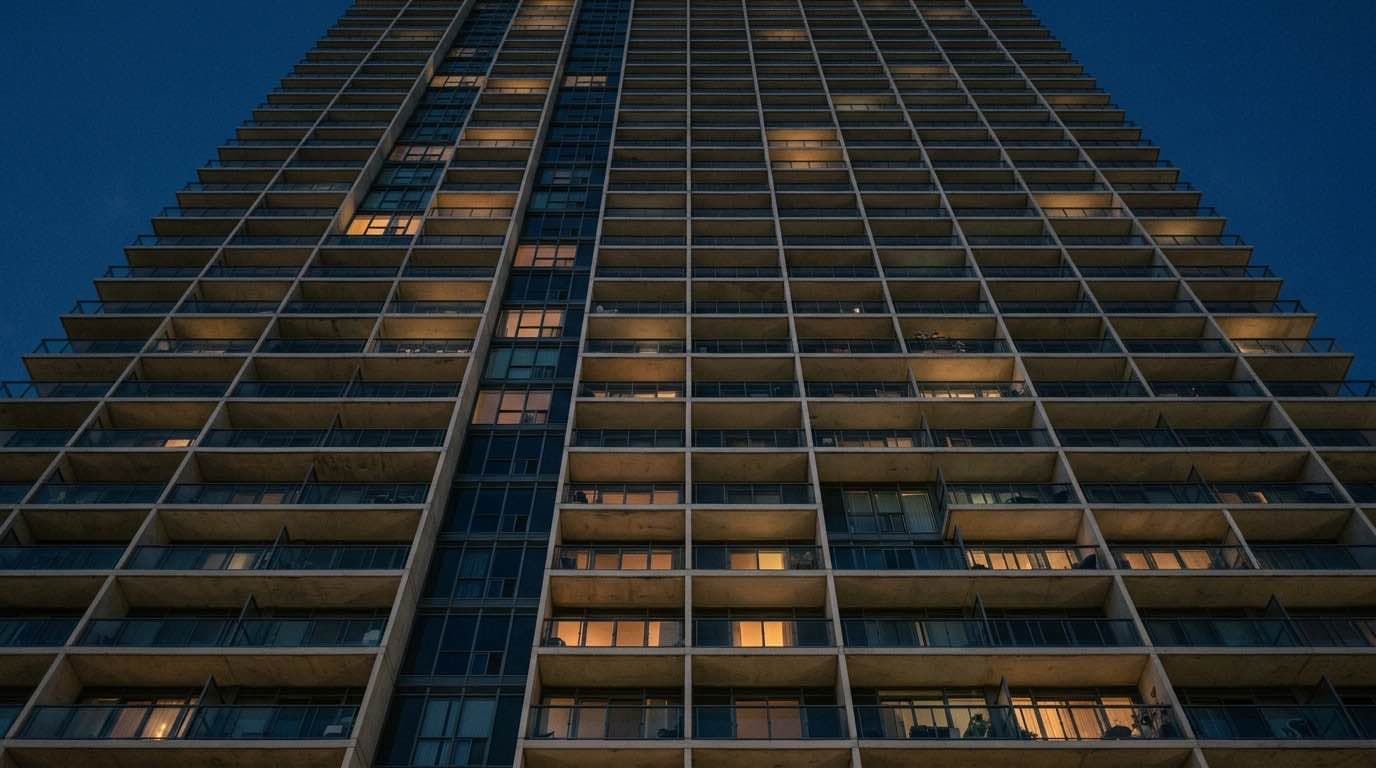
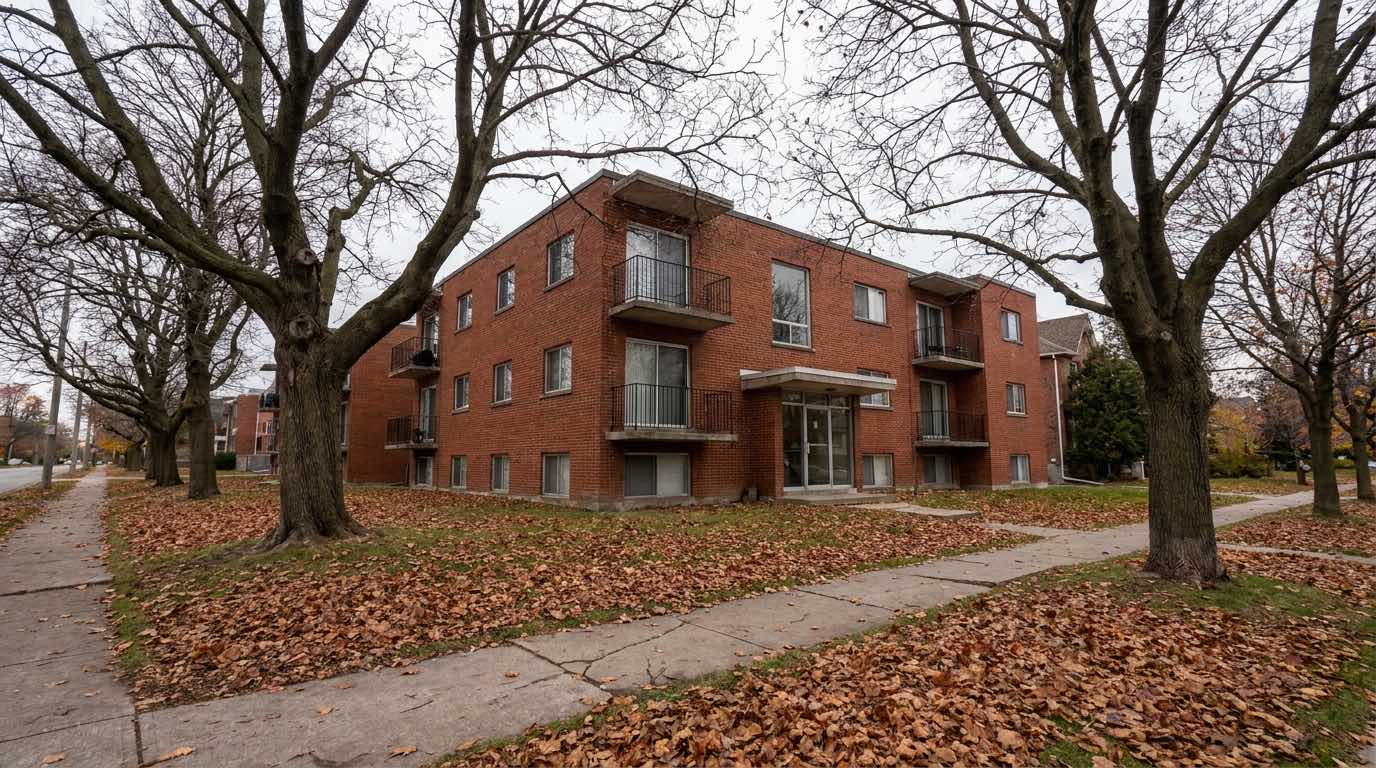
A residential unit that was first occupied as a rental after 15 November 2018 is exempt from the guideline. Newer purpose-built rentals and newer condominium units frequently fall on the exempt side of that line, and older walk-ups and older condominiums almost always do not.
For a buyer this is the question that decides what the investment actually is. Two units that look identical on paper, at the same price with the same tenant paying the same rent, can offer completely different room to move depending on when the unit was first occupied.
It is also a question of fact rather than opinion, and it is answerable before closing. Robin Patel establishes when the unit was first occupied as a rental during the condition period, because the answer cannot be changed afterwards and it changes the numbers.
Two units that look identical on paper, at the same price with the same tenant paying the same rent, can offer completely different room to move depending on when the unit was first occupied.
How often, and with how much notice
Even where an increase is permitted, it cannot arrive whenever the landlord decides. The rent for a unit may generally be increased once in any twelve-month period, counted from the last increase rather than from the day you bought the property.
Written notice on the form the province prescribes is required, and it has to be given at least ninety days before the increase takes effect. A notice that is late, informal or on the wrong form does not simply delay the increase — it does not take effect at all.
These rules apply to exempt units as well. Exemption from the guideline is exemption from the cap on the amount, not from the process, and a landlord who treats an exempt unit as unregulated is the landlord who ends up at the Board.
Exemption from the guideline is exemption from the cap on the amount, not from the process
When a capped unit can go above the guideline
A landlord of a guideline-capped unit who has spent money on major repairs or capital work, or who faces a significant increase in certain costs, may apply to the Landlord and Tenant Board for an increase above the guideline.
It is an application, not an entitlement. The Board decides, the tenant is entitled to respond, the work has to be the kind the legislation recognises, and any increase granted is phased rather than applied in one step.
For a buyer it is worth knowing this route exists and worth not relying on it. A purchase that only works if an above-guideline application succeeds is a purchase resting on somebody else's decision.
A purchase that only works if an above-guideline application succeeds is a purchase resting on somebody else's decision.
What to establish before the offer goes firm
Every question below is answerable during the condition period and unanswerable afterwards, which is the whole reason to ask them in that order.
- When was this unit first occupied as a residential rental, and is that on the exempt side of 15 November 2018?
- What is the current rent, in the lease, rather than the figure in the listing?
- When was the rent last increased, and on what form was notice given?
- Is there any outstanding application, order or dispute involving this tenancy at the Landlord and Tenant Board?
- Does the purchase still work on the rent you are actually inheriting, for at least the first twelve months?
Written by
Robin PatelSalesperson · The Agency Toronto
Updated
Published
Read in your language
A machine translation, not Robin’s words. For anything that decides money, ask him in Gujarati or Hindi directly.