Why did a second property tax bill arrive a year after I bought my new build?
The bill is not a mistake and it is not a penalty. It is the tax you were always going to owe, arriving late and in one piece, with a challenge window that closes on a date printed on a notice most owners file without reading.
The short answer
A newly built home is taxed on the land alone until MPAC assesses the finished structure, and the municipality then issues a supplementary bill charging the difference back to your occupancy date. Robin Patel, a REALTOR® in the Greater Toronto Area, tells new-build buyers to set that money aside before they close.
Written forBuyers of newly built or pre-construction homes anywhere in the Greater Toronto Area, and owners who have just completed an addition or a legal second unit.
The short version
- A brand-new home sits on the tax roll as vacant land until MPAC assesses the building, so the first bill an owner receives is far smaller than the real one.
- When the assessment catches up, the municipality issues a supplementary bill for the difference, charged back to the date you took occupancy rather than forward from today.
- An omitted assessment can reach back further than the current year, which is how an owner ends up settling two or three years at once.
- A Property Assessment Change Notice arrives from MPAC before the bill does. It is the document that matters, and the deadline to challenge it is printed on it.
- A mortgage that collects taxes monthly was built on the land-only figure, so the lender's escrow is usually short too, and the monthly payment moves afterwards.
Why the first tax bill is so small
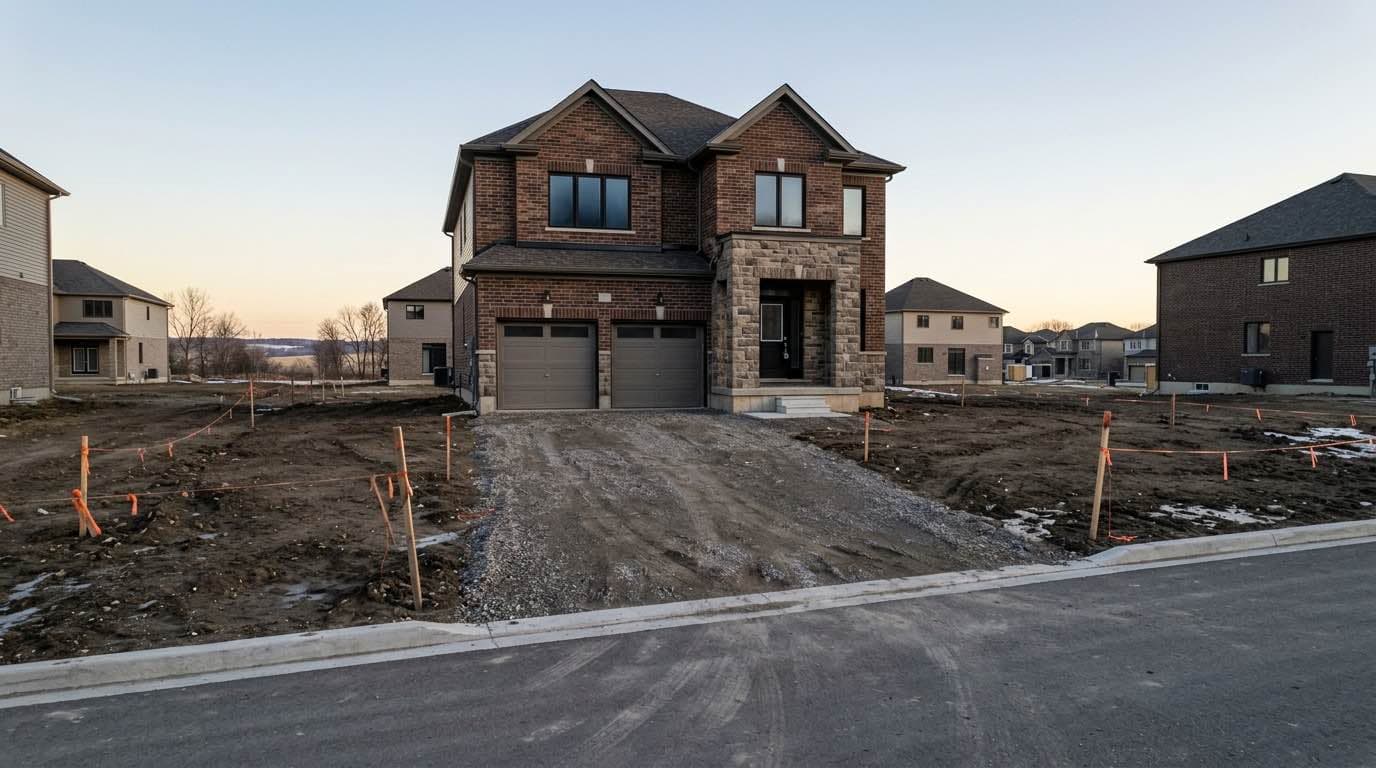
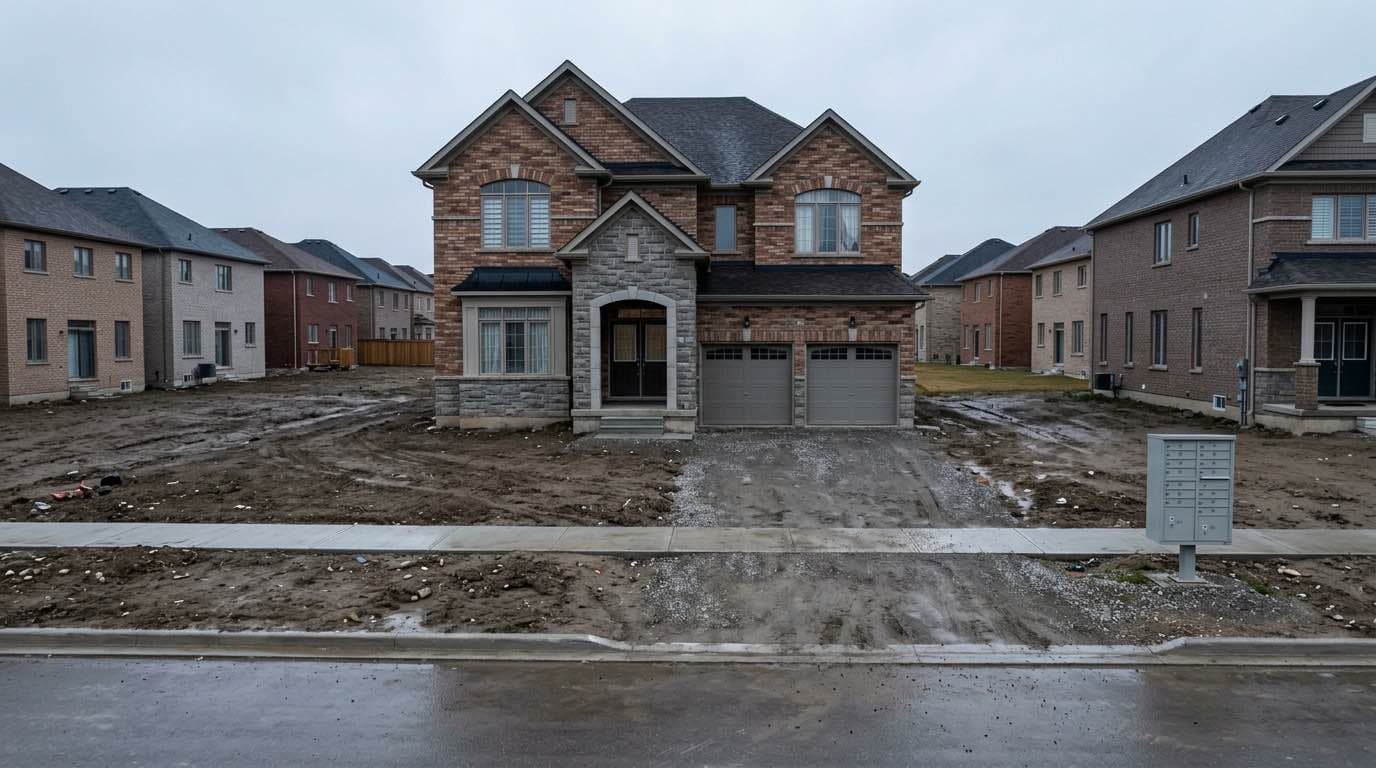
When a builder registers a new subdivision or a new condominium, the assessment roll knows about the land long before it knows about anything standing on it. Until MPAC inspects and values the finished building, the property is assessed as land, and the tax bill is calculated on land.
So the first bill a new-build owner opens is genuinely low, and it is genuinely correct. It is simply not a bill for the house. Owners read it as the annual cost of the property, budget around it, and in many cases tell their lender that the taxes are lower than the lender estimated.
Nothing about that bill is a promise. The assessment is pending, not settled, and the gap between the land figure and the eventual figure is accruing the whole time the owner is treating the low bill as the answer.
It is simply not a bill for the house.
What a supplementary bill is actually charging you for
Once MPAC values the structure, the municipality issues a supplementary tax bill. It charges the difference between what you were billed on the land and what you should have been billed on the completed home, for the period you have already owned it.
This is the part that surprises people: the bill runs backwards. It is not an increase that starts now. It settles a period that has already passed, usually from the date of occupancy or closing, which is why it can arrive as a single large amount rather than as a higher monthly figure.
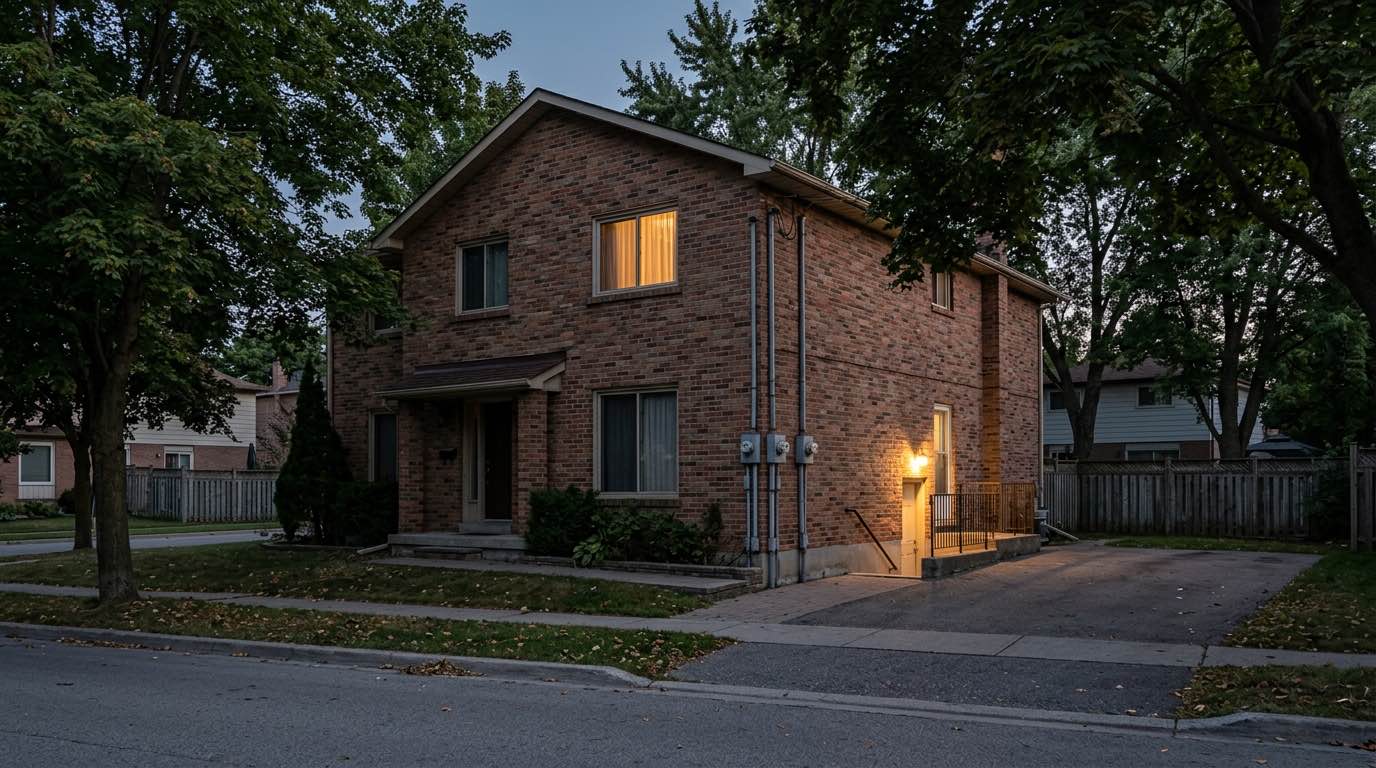
A supplementary assessment is also not limited to new construction. An addition, a finished basement apartment brought up to code, or a change in how the property is classified can all trigger one on a home that is decades old.
It is not an increase that starts now. It settles a period that has already passed
How far back it can reach
A supplementary assessment deals with the current year. An omitted assessment deals with years that were missed entirely, and it can reach back beyond the year you are in.
On a home that was occupied before the assessment caught up, that reach is the difference between one catch-up bill and several arriving together. It is also why the buyer, not the builder and not the previous owner, is usually the person holding it, since the charge follows the property.
Statements of adjustments on a new build rarely settle this cleanly, because at closing nobody yet knows what the finished assessment will be. Your lawyer can tell you how the agreement allocates it. What the agreement cannot do is make the amount knowable in advance.
the charge follows the property
The notice that arrives before the bill, and the window on it
MPAC sends a Property Assessment Change Notice when it adds the structure to the roll. It states the new assessed value and the effective date. It is not a bill, which is precisely why it gets filed unread, and it arrives in the months before the municipality bills anything.
That notice is the document to act on. If you think the assessed value is wrong — the wrong square footage, the wrong finish level, a basement counted as finished when it is not — the way to challenge it is a Request for Reconsideration with MPAC, and the deadline for filing it is printed on the notice itself.
Treat the date on your own notice as the controlling one. It is tied to the issue date of that specific notice rather than to the calendar deadline that applies to an ordinary annual assessment, and once it passes, the value stands for the period the supplementary bill covers.
Paying the bill and arguing later is not a strategy. The bill follows from the assessment, so an owner who disputes the amount but lets the notice window close has disputed nothing.
an owner who disputes the amount but lets the notice window close has disputed nothing
What to settle before you close on a new build
Every item below can be dealt with while you still have leverage and advisers engaged. None of them is answerable usefully once the supplementary bill is already in your hand.
- Has MPAC assessed the structure yet, or is the property still on the roll as land?
- What would a finished home of this size in this municipality actually be assessed at, and what is the annual tax at the published rate?
- Is my lender collecting property tax monthly, and what figure did they base it on?
- How does the builder agreement allocate a supplementary or omitted assessment for the period around closing?
- Who will the Property Assessment Change Notice be mailed to, and will it reach me rather than the builder or a previous address?
Written by
Robin PatelSalesperson · The Agency Toronto
Updated
Published
Read in your language
A machine translation, not Robin’s words. For anything that decides money, ask him in Gujarati or Hindi directly.