Do I need to register my new home purchase with Tarion?
The obligation has been in force since the spring. The part that changes what a late registration costs you arrives on 1 January 2027, which makes this the quietest deadline in a new home purchase and one of the few a buyer can miss by doing nothing at all.
The short answer
Robin Patel, a REALTOR® in the Greater Toronto Area, explains that a buyer of a newly built freehold home in Ontario must give Tarion notice of the purchase within 45 days of signing the agreement. Registering on time secures the maximum deposit coverage; registering late moves the claim to a separate, shared fund.
Written forBuyers who have signed, or are about to sign, a builder agreement for a newly built freehold home in the GTA — a detached, semi or townhouse on its own lot — and anyone holding a pre-construction agreement signed since the spring of 2026.
The short version
- The requirement covers newly built freehold homes bought from a builder, including homes on parcels of tied land. Condominium purchases are excluded.
- Notice must reach Tarion within 45 days of entering into the agreement of purchase and sale, not within 45 days of closing.
- Registering inside the window qualifies the purchaser for the maximum deposit coverage available under the warranty program.
- A purchaser who registers late, or not at all, keeps deposit protection and the full warranty, but a claim is assessed against a separate fund shared with every other late claim that year.
- The Home ID needed to register is on the Warranty Information Sheet attached to the agreement, and a lawyer, agent or representative may give the notice on the purchaser's behalf.
What the registration requirement is, and who it applies to
Ontario's new home warranty has always protected a deposit paid to a builder. What changed is that the purchaser now has to do something to get the full protection. Since 1 April 2026, a buyer of a newly built freehold home has had to give Tarion notice of the purchase, and the window for doing it is 45 days from the day the agreement of purchase and sale is entered into.
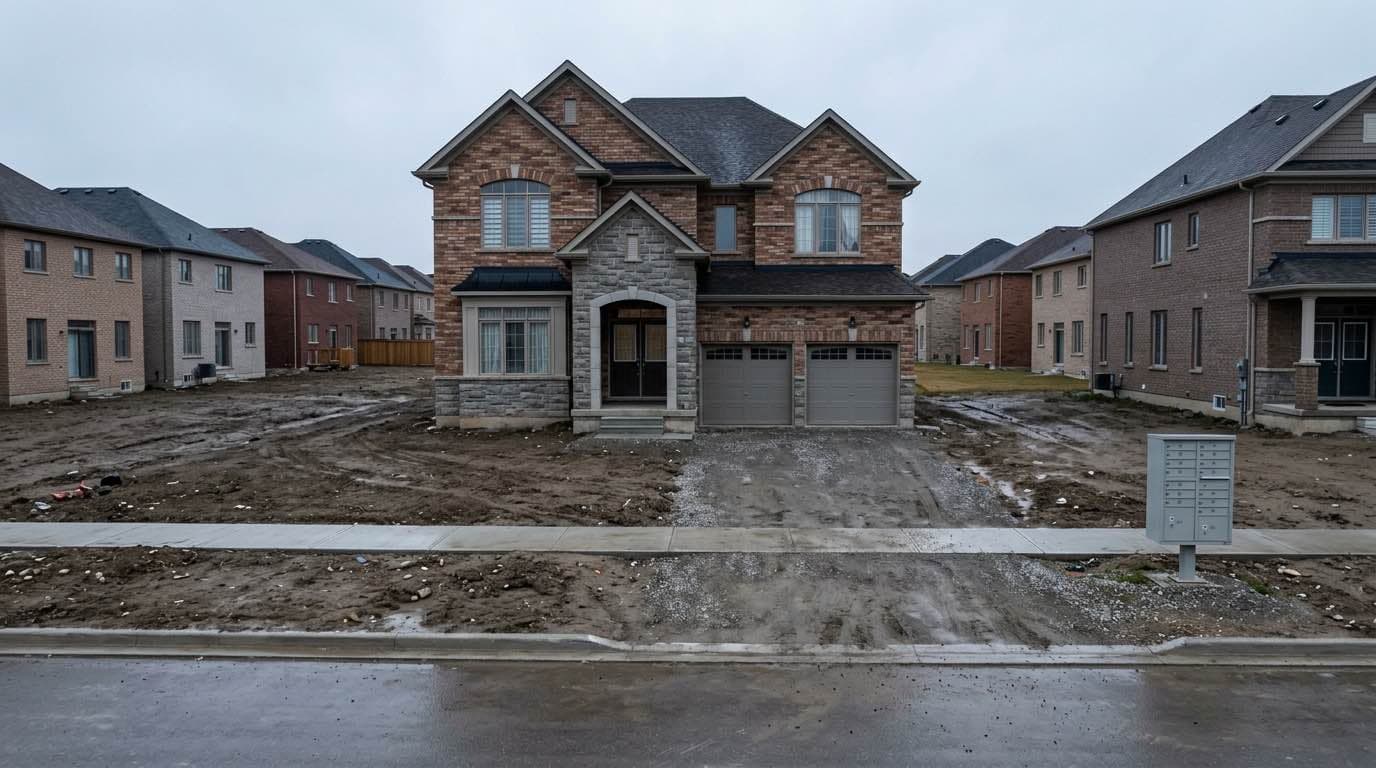
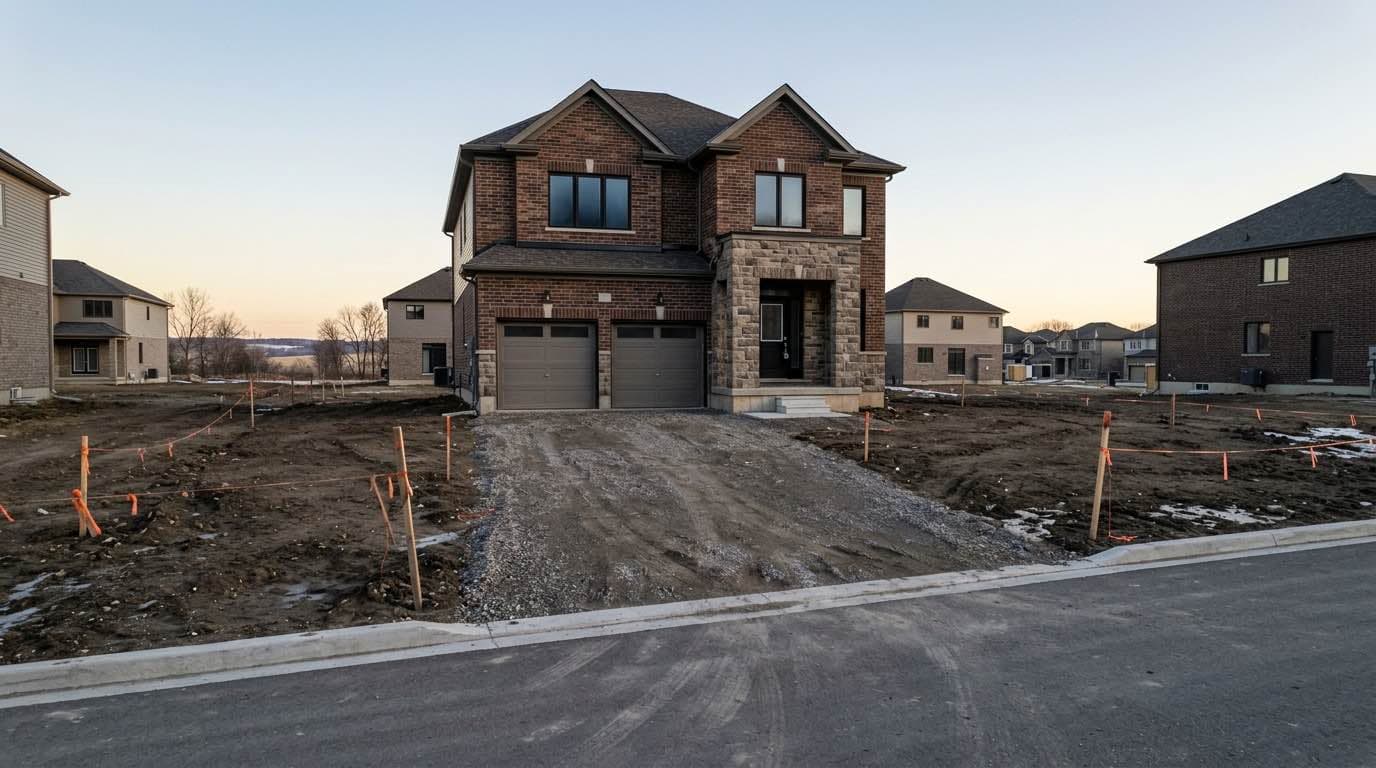
The scope is narrower than people assume. It covers newly built freehold homes bought from a builder — a detached, semi or townhouse on its own lot, including a home on a parcel of tied land. It does not cover a condominium unit, because a condominium deposit is held in trust under the Condominium Act and is protected by a different mechanism entirely.
There are two dates in this change and they are not the same date. The obligation to register has been in force since 1 April 2026 and applies to agreements signed on or after that day. The consequences for deposit coverage were deferred, and they commence 1 January 2027. So a buyer signing today is already inside the registration requirement while the coverage change is still ahead of them.
There are two dates in this change and they are not the same date.
The 45 days run from the agreement, not from closing
Almost every deadline in a new home purchase runs from closing. This one runs from the beginning. The 45 days are counted from the day the agreement of purchase and sale is entered into, which on a pre-construction purchase can be three or four years before anyone gets a key.
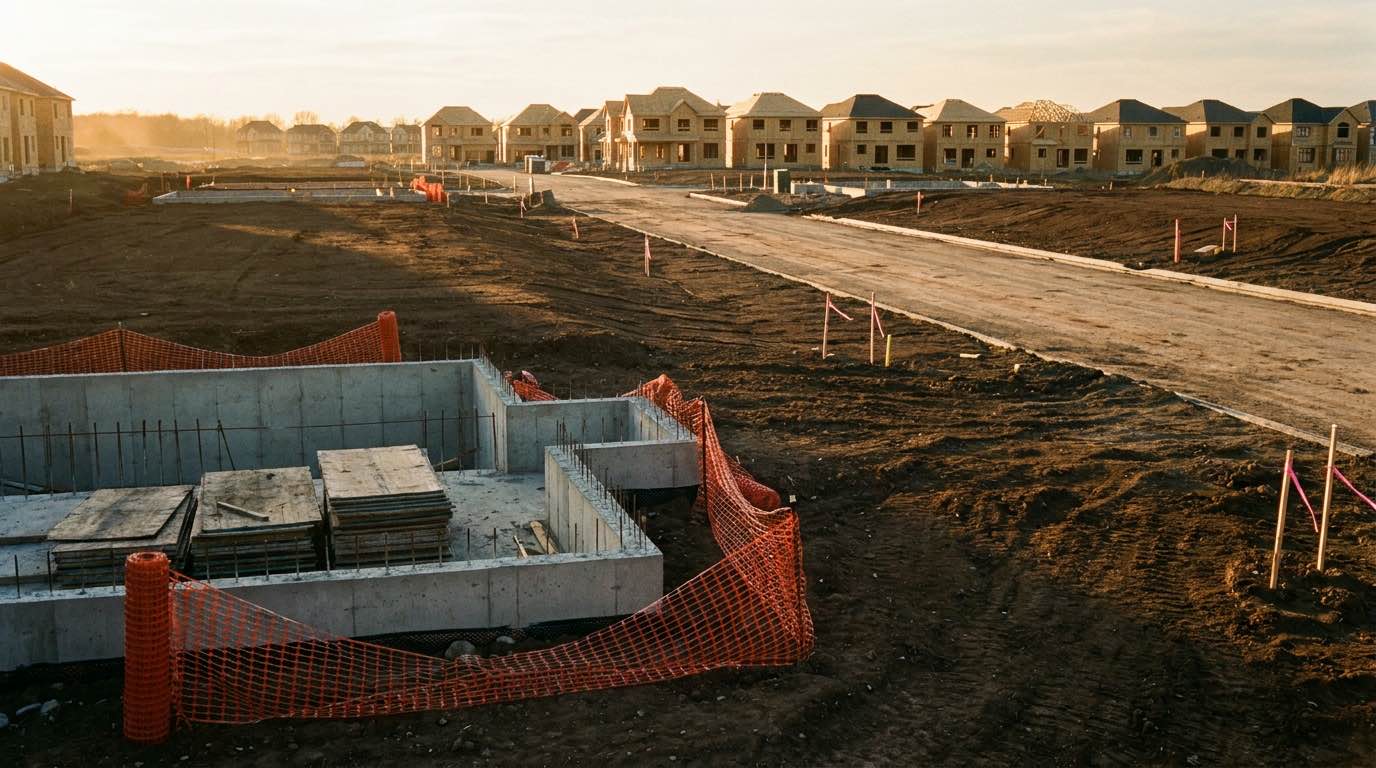
That gap is the whole reason the requirement exists. The deposit is most exposed in the years when there is nothing standing on the lot — the period in which a builder can become insolvent, fail to complete the sale, or give the buyer a right to terminate the agreement. Registering is what tells Tarion the purchase exists during that stretch.
The practical consequence is that this is a week-one task and not a closing task. A buyer who files the paperwork away to deal with nearer the move has usually missed it already, because the window expires long before the file becomes active again.
The deposit is most exposed in the years when there is nothing standing on the lot
What registering on time actually buys you
Registering within the window qualifies the purchaser for the maximum deposit coverage available under the warranty program. That is the only thing it does, and it is enough.
Missing it does not remove the protection. Every purchaser keeps deposit coverage and keeps the full warranty whether notice was given or not. What changes is how a claim is assessed: a late or unregistered purchaser is paid out of a separate fund carrying an annual limit, shared among everyone else who was late in the same year.
That sharing is the part worth understanding, because it means the amount is not fixed in advance. If the claims made against the fund in a calendar year stay under its limit, coverage is not reduced at all. If they exceed it, each claimant receives a proportional share of the fund instead. A buyer who registered on time never enters that calculation.
it means the amount is not fixed in advance
How the notice is given, and who can give it
The notice is given online and takes a few minutes. The one thing a purchaser needs is the Home ID, and it is not something to go hunting for: it appears on the Warranty Information Sheet attached to the agreement of purchase and sale.
A purchaser without a Home ID can still register, using the vendor's name together with the address or legal description of the property instead. That route exists for a reason, and a missing Home ID is itself worth asking the builder about.
The notice does not have to be given by the buyer personally. A purchaser's lawyer, agent or representative may give it on their behalf, which is the practical arrangement on most files. Robin Patel treats it as part of the work on a new freehold purchase rather than something handed to the client as homework.
a missing Home ID is itself worth asking the builder about
Written by
Robin PatelSalesperson · The Agency Toronto
Updated
Published
Read in your language
A machine translation, not Robin’s words. For anything that decides money, ask him in Gujarati or Hindi directly.